
I visited the historical town of Socorro (Colombia) in the department of Santander, one of 17 Colombian Heritage Towns, on a self-organised day trip, using public transport from San Gil.

Socorro was the capital of the department of Santander between 1862 and 1886 and is considered the birthplace of the Revolt of the Comuneros (New Granada).
It’s one of 17 Colombian Heritage Towns, known as Pueblos Patrimonio. I have been to four of them: Villa de Leyva, Mongui, Socorro and Barichara.
I was hanging out in San Gil, the Colombian backpacker HQ for those into adrenaline-pumping activities. The South American version of Queenstown in New Zealand or La Fortuna in Costa Rica.
I made a day trip from San Gil to Socorro, a town steeped in history.
How to get from San Gil to Socorro (Colombia)
Buses to Socorro leave from the Terminalito Provincial in San Gil.
Minivans like these go every 15 minutes, and the one-way fare is 8,000 COP, which is a little over 2 USD.

The ride takes just 35 minutes or so, and you arrive at the Terminal de Transporte del Socorro:
From the bus station, it’s a short uphill walk to the town’s historical centre. I spent about three hours mooching around in town before retracing my steps back to San Gil.
It’s an agreeable place to spend an afternoon or morning.
Capilla de la Inmaculada Concepción: Panteón de los Próceres
The Capilla de la Inmaculada Concepción was built in 1810. Originally built as the Catholic chapel for the Spanish colonial cemetery, it’s also known as Panteón Nacional de los Próceres. Within the Capilla are the ashes of over 100 martyrs who died in 1819 for an independent Republic of Colombia. Included in this list is Antonia Santos, mentioned below.

Templo Basílica Menor Nuestra Señora del Socorro
Construction of the Minor Basilica Temple of Our Lady of Perpetual Help began on December 18, 1873. Bonifacio Vargas directed the works for 52 years, later continued by Bernardo Manrique. The construction was finally finished on August 1, 1943.
At 96 metres, it is the third-tallest temple in Colombia.
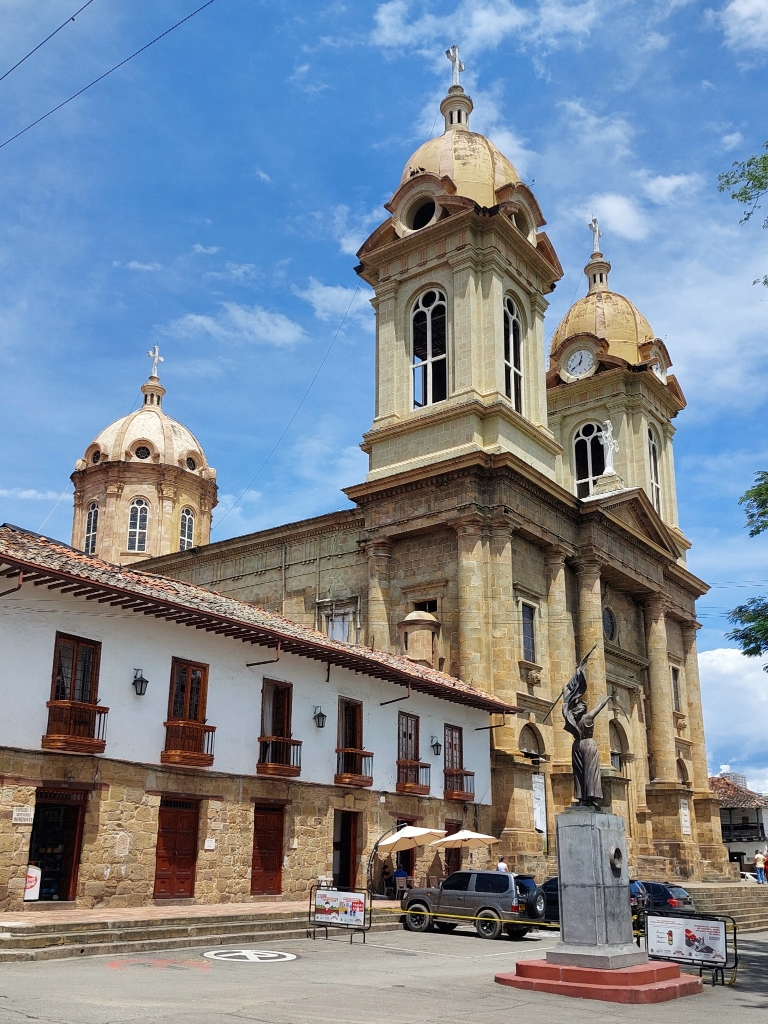
Estatua de Antonia Santos
On the corner of Independence Park, you will find the statue of María Antonia Santos Plata, heroine and martyr of the Independence of Colombia.
María Antonia Santos Plata was born on April 10, 1782, in Pinchote, 16 km back towards San Gil.
She was a Colombian independence heroine, rebel leader, and martyr.
Antonia Santos organised and led pro-Simón Bolívar, anti-Spanish guerrilla forces, which ultimately contributed to Bolívar’s victory in New Granada, in what is today Colombia, Venezuela, Ecuador, and Panama, paving the way for the eventual independence of northern South America.
She was reportedly betrayed by a friend and captured at the family hacienda on July 12.
She was later executed by a Spanish firing squad on July 28, 1819, at 10.30 am, in what is now the Parque de la Independencia. Her statue stands in the northeast corner.

Monumento José Antonio Galán
José Antonio Galán was born in Charalá in 1749. He joined the Comunero Rebellion, and led a popular uprising in 1781 against the taxes imposed by the Spanish government.
He organised a second march on the capital but was arrested and hanged in the main square in Santafé de Bogotá (the capital of the New Kingdom of Granada at that time, and which, after the Battle of Boyaca in 1819, became the capital of an independent Gran Colombia), on February 1, 1782.

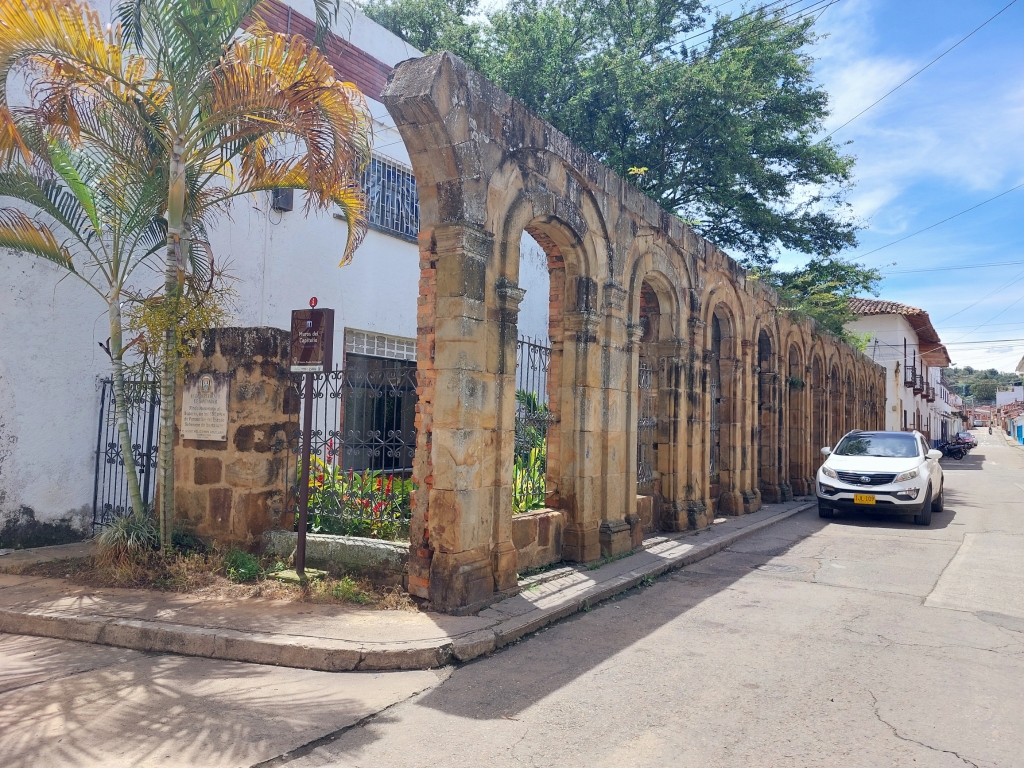
Muros del Capitolio
The unfinished Muros del Capitolio (also known as the Muros de la Gobernación) and the facade of the Government of the Sovereign State of Santander. Started in 1872 and abandoned in 1885 due to the relocation of the capital to Bucaramanga in 1887.
Casa de Juan Francisco Berbeo
Born on June 17, 1739, he was the commander-in-chief of the Comunero Revolt. On April 18, 1781, he led more than 20,000 combatants to Santa Fe. He spearheaded the negotiations that resulted in the “Capitulations of Zipaquirá”, a set of agreements signed on June 8, 1781, in Zipaquirá, aimed at reducing oppressive taxes on tobacco, liquor, and food.

Paseo de la Insurrección
This narrow street pays tribute to the brave Comuneros led by Manuela Beltrán, who on March 16, 1781, marched from the Parque de La Chiquinquirá to the Main Square and ripped up and stomped on the royal tax edict.
It also honours the memory of Antonia Santos and her fellow martyrs who gave their lives in the name of freedom.

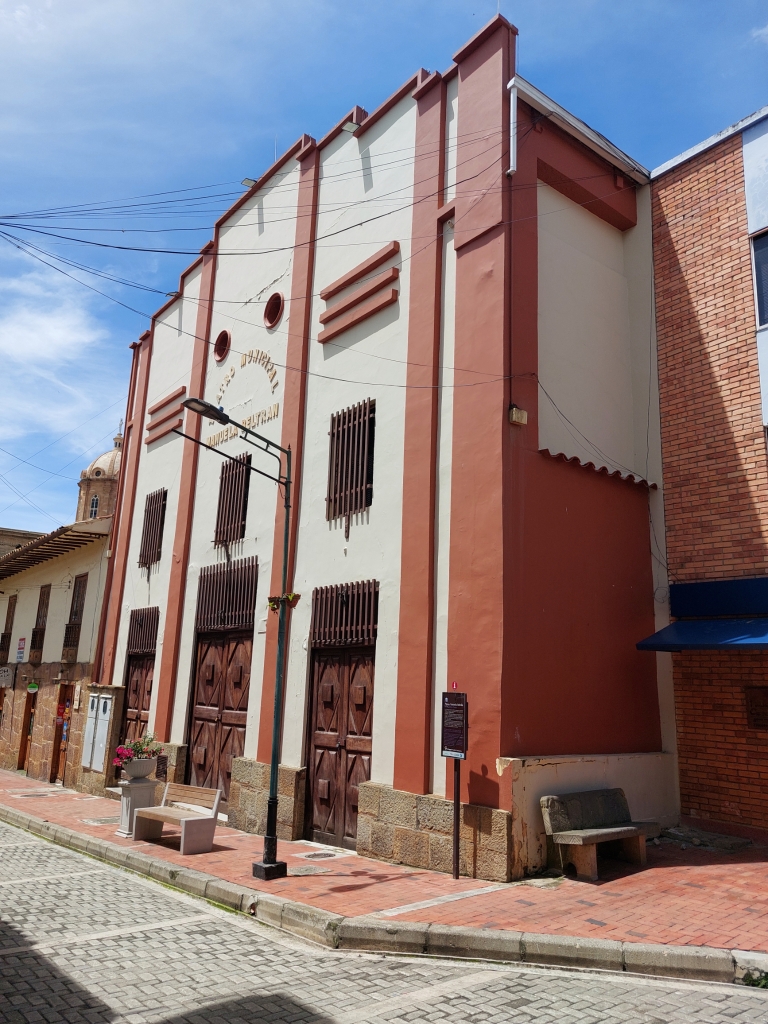
Teatro Manuela Beltrán
The theatre, named after Manuela Beltrán, was inaugurated on July 28, 1919.
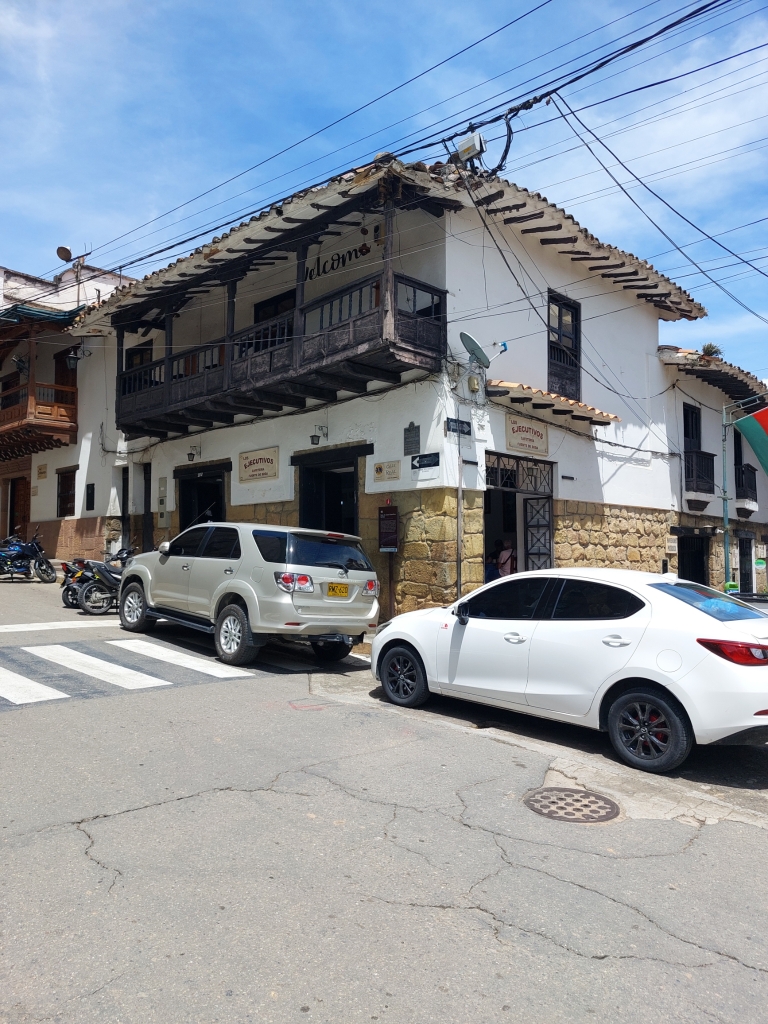
Casa de los Estancos Reales
The Royal Tax Collection House was the first of its kind in Colombia.
Templo Nuestra Señora de Chiquinquirá
Construction of the Church of Our Lady of Chiquinquiráin began in 1764 under the direction of Fernando de Uribe and Nicolás de Villafradez. It was the site of the Comunero Revolt. It also served as the seat of the Diocese of Socorro in 1928.

The Manuela Beltrán and Antonia Santos Fountain
The Manuela Beltrán and Antonia Santos fountain, dedicated to Socorro’s two most famous heroines. It is located in the Parque de La Chiquinquirá, opposite the Templo Nuestra Señora de Chiquinquirá, mentioned above.

Convento de los Capuchinos San Juan Bautista y Capilla de Santa Bárbara
The Convent of San Juan Bautista was the First Capuchin Convent in America.
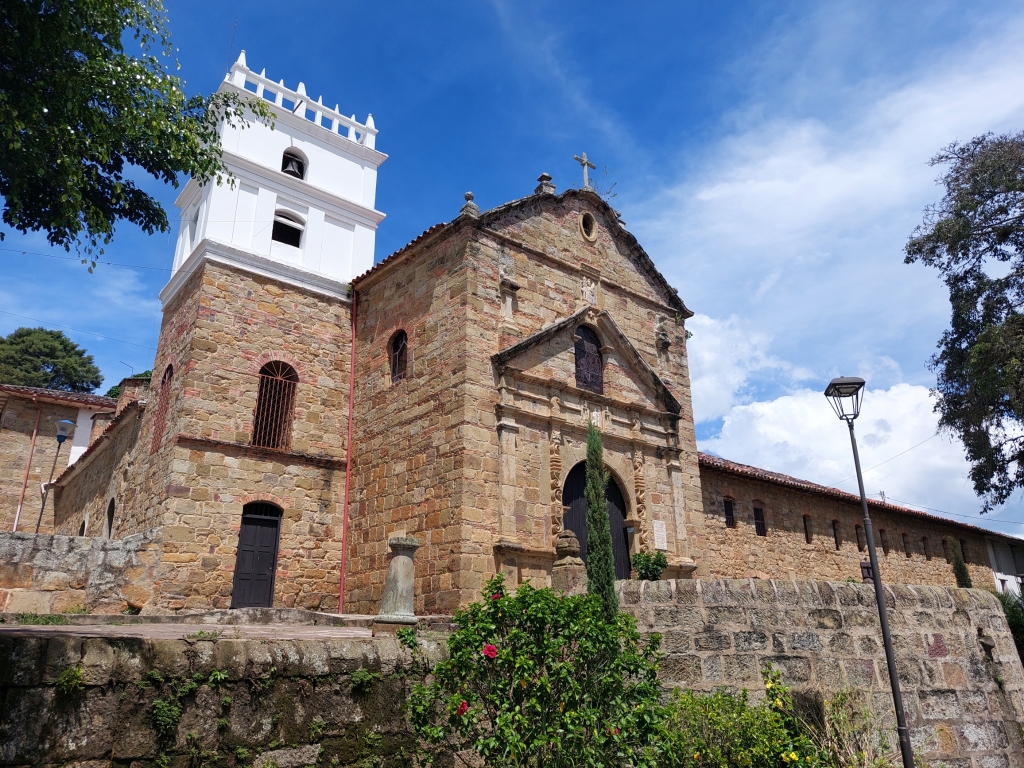

The Saint John the Baptist Capuchins Convent was built through a Royal Decree issued by Spanish King Charles III on January 27, 1786, upon the request of Archbishop Viceroy Antonio Caballero y Gongora.
The construction of the San Juan Bautista convent and the Santa Bárbara chapel in Socorro was carried out by the Capuchin Friars and other religious orders between 1787 and 1795, with the first stone being laid on September 16, 1787,
The Convent and Santa Bárbara Chapel were both inaugurated on July 24, 1795.
Estatua de Manuela Beltrán
Located in front of the Convento de los Capuchinos San Juan Bautista, stands the statue of the Heroine of Socorro, the Mother of Colombian Independence.

Manuela Beltrán, already mentioned above, was supposedly born in Socorro in 1750.
She ran a small shop on the corner of the main square and was one of the few who could read and write at that time; and because of that, she was the one who led the march against unfair taxes imposed by the Spanish.
The date and location of her death are unknown. Some even doubt her existence at all.
In March 2023, a headline appeared in El Espectador, a reputable Colombian newspaper: “Manuela Beltrán, the Heroine that Never Existed”, yet schools and neighbourhoods across Colombia are named after her.
Whether she existed or not, she remains the Heroine of Colombia.
Nice write-up.
It’s my goal to get to all the heritage towns. But, some do take an effort to get to…part of the journey. 4 trips to Colombia thus far and still have 8 more to go among checkout out other parts of this beautiful country.
Cheers Clay. Giron and La Playa de Belen look well nice… which ones have you been to ?