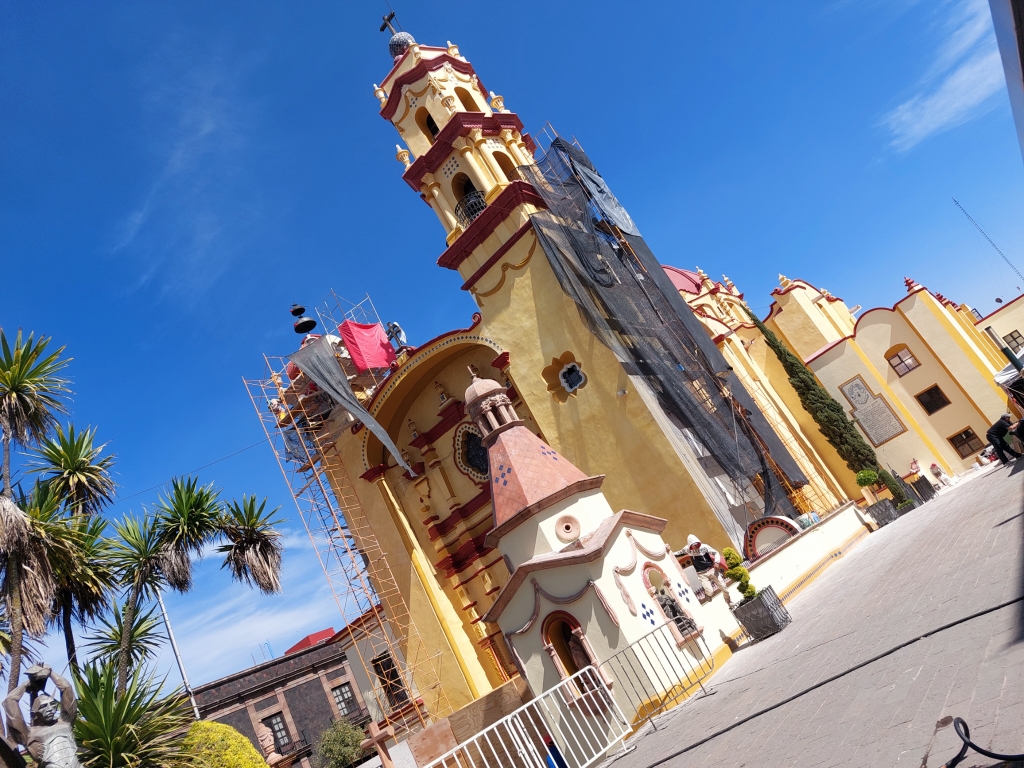
Toluca de Lerdo, the capital of Mexico State (Estado de México), is just 60 km from Mexico City.
I took a Flecha Roja bus (there are other companies) from the Poniente Bus Terminal, which is accessible via the Observatorio Metro Station, the end of the Pink Line (#lanuevalínea1).
The buses depart regularly. I didn’t book. I just turned up like a psychopath and bought my ticket à la minute—90 pesos (November 2025) one-way.
The Mexico City Toluca train, El Insurgente, is now running out of Observatorio, so you can travel to Toluca much faster. There is apparently a free bus that takes you to the central bus station from Toluca Centro, the 2nd-to-last stop on the train.
My bus left at 10.30 am and arrived at the bus terminal in Toluca at 11.45. Of course the travel time depends on the traffic.
Then it’s a 35-minute walk to the Historic Centre.
9 Sites of Interest in Toluca
I toured these nine sites of interest, focusing on the main square, la Plaza de los Mártires.
1. La Plaza de los Mártires
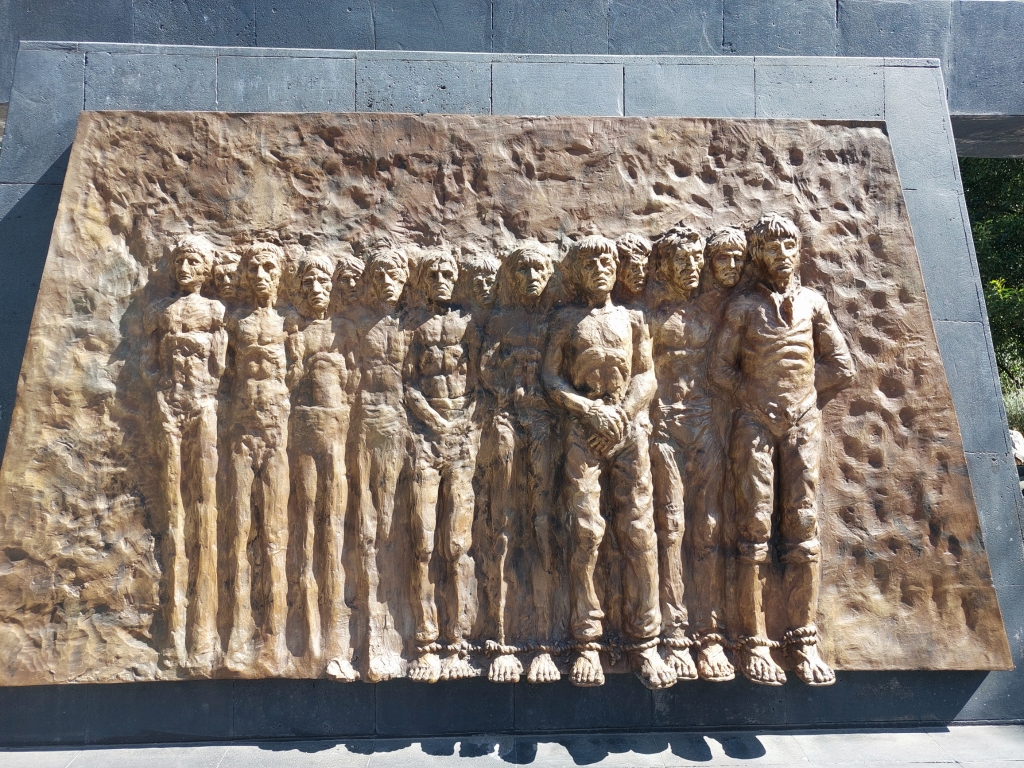
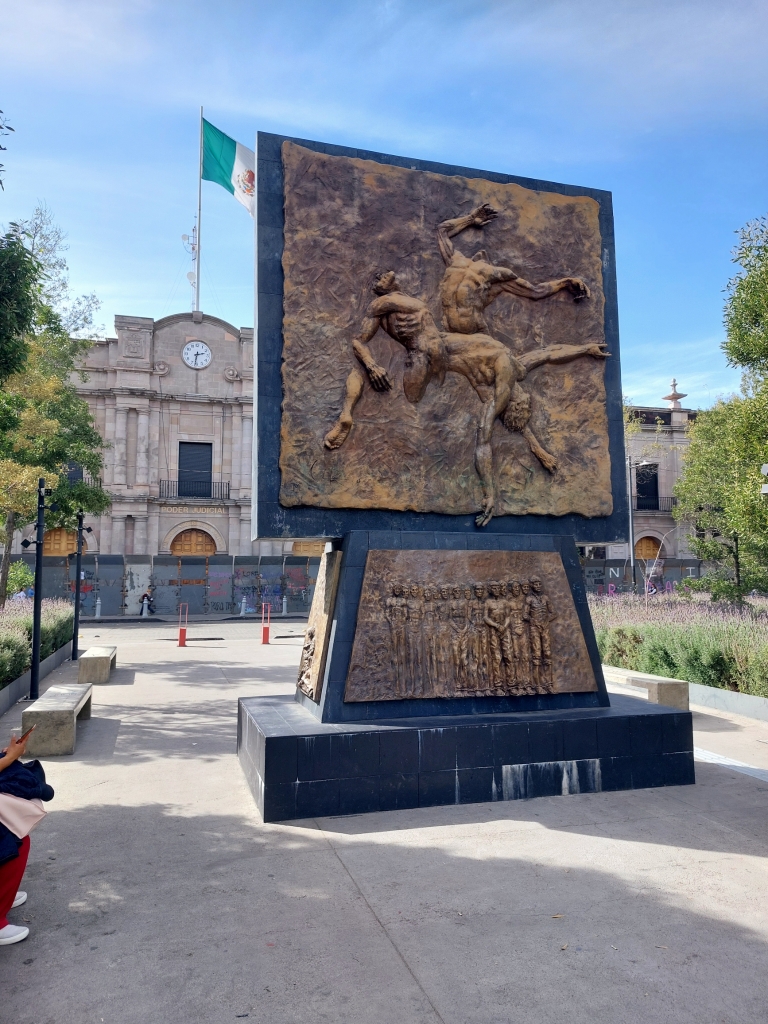
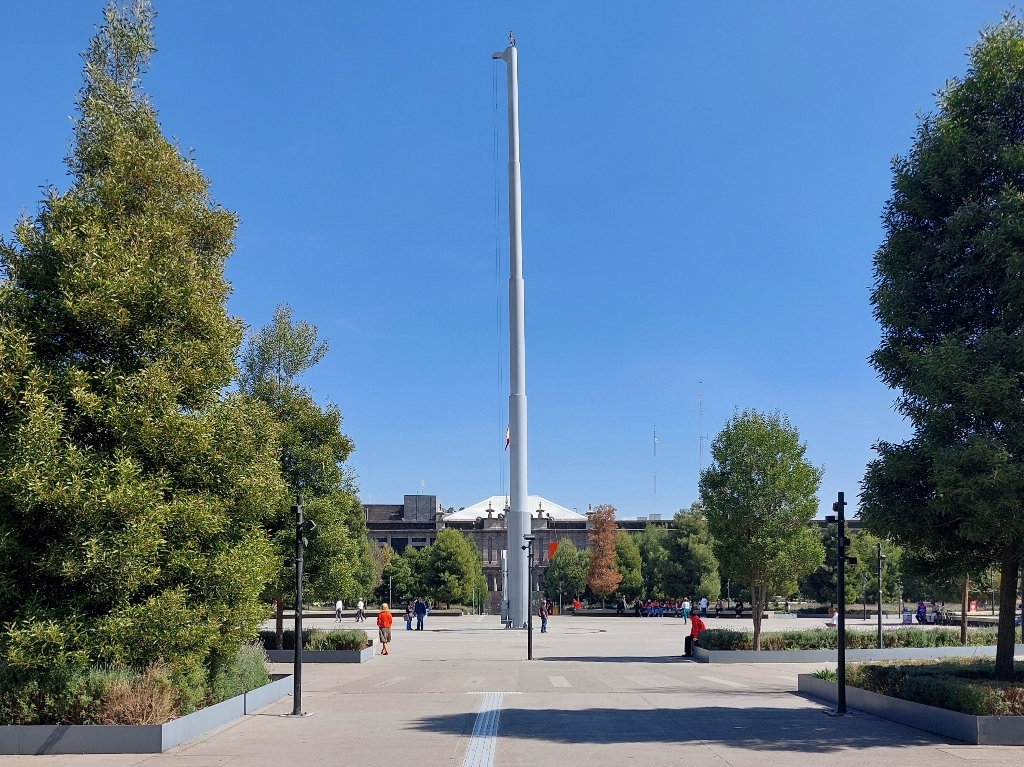
La Plaza de los Mártires (Martyrs’ Square in English) is the city’s principal square in Toluca de Lerdo, the capital of the State of Mexico.
Located in the heart of the city’s historic centre, it is named in commemoration of the execution of nearly one hundred indigenous insurgents captured by the royalist army on October 19, 1811, after the Battle of Calvario, during the Mexican War of Independence (September 16, 1810 – September 27, 1821)
2. El Palacio de Gobierno del Estado de México
On the northern side of the Plaza de los Mártires is the Palacio de Gobierno del Estado de México.
In 1965, then Governor, Juan Fernández Albarrán, ordered the remodelling of Toluca’s historic centre, and the new Government Palace was built where the State Historical Archive, the Museum of the State of Mexico, and the Public Library once stood.
The original ‘old’ Government Palace was completed in 1874 and stood at the western end of the Plaza de los Mártires, built on what was the old town hall. The old Government Palace is now the Palacio de Justicia:
3. El Palacio de Justicia
The Palacio de Justicia is on the western side of the Plaza de los Mártires. This used to be the old Government Palace.
4. El Palacio Legislativo del Estado de México
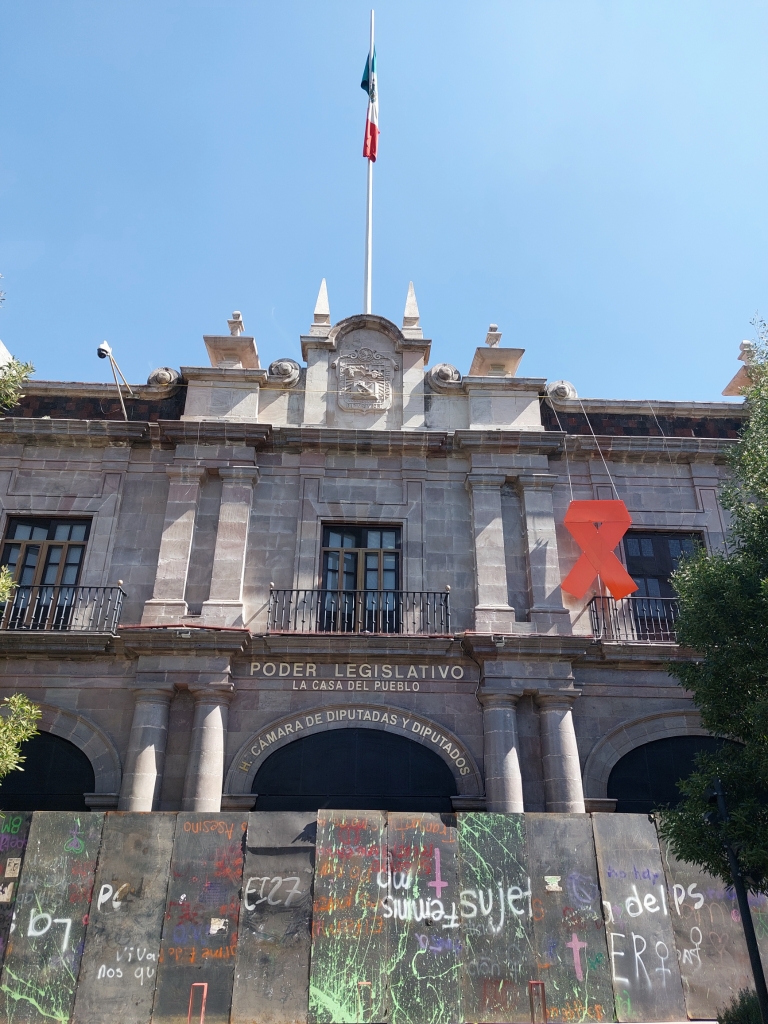
On the eastern side of the Plaza de los Mártires is the Legislative Palace of the State of Mexico.
The current Legislative Palace was built in Neoclassical style in 1968 as part of the remodelling of the Historic Centre of Toluca, originally intended to house the Toluca House of Culture.
In front of the Legislative Palace is the Monumento a Miguel Hidalgo y Costilla, a Mexican Catholic priest who was a prominent leader of the Mexican War of Independence and is regarded as the Father of the Nation. It was sadly boarded up.
5. La Catedral de Toluca
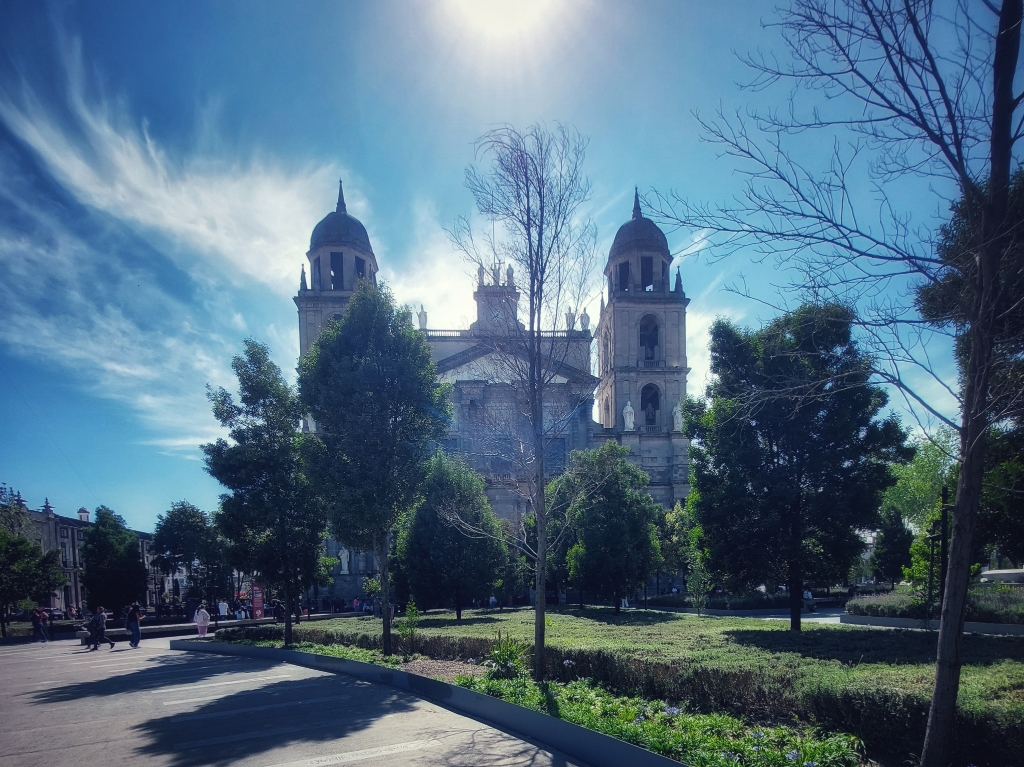
La Catedral Metropolitana de Toluca (also: la Catedral de Toluca San José, Catedral de San José or la Catedral de Toluca) is a Catholic cathedral church, built on the site of the former Franciscan convent of the Assumption.
Although construction began in the middle of the 19th century, it wasn’t completed until 1978.
I was there in November 2025, and it was sadly closed, so all I have are some photos pointing directly into the midday sun:
It is located on the southern side of the Plaza de los Mártires, as is the Town Hall:
6. Palacio Municipal de Toluca
The original Toluca Municipal Palace, AKA the Town Hall, was constructed on the grounds formerly occupied by the Spanish cemetery of the Franciscan Convent of Our Lady of the Assumption, which was demolished in 1867. Construction of the palace began on July 15, 1872 and was completed in 1883, before undergoing remodelling in 1967.
7. Temple of Santa Veracruz
The Temple of Santa Veracruz, or The Temple of the Holy Cross, was built in 1753 on the ruins of a chapel built by the Franciscan Order of the 16th century.
Inside, you can see a crucified Black Christ:
8. Letras TOLUCA
This is proof that I was there. Las Letras Toluca:
9. Iglesia del Carmen
The Templo a la Virgen del Carmen, or The Church of El Carmen, originated in the 17th century as the Convent of the Immaculate Conception. Its original style was Baroque, but it was transformed into the Neoclassical style in the 19th century. The first stone was laid in 1737 for the Chapel of Saint Teresa, while the main church was inaugurated in 1711.
Ok, if you know Toluca, I missed out on the Cosmovitral Botanical Garden.
My wife said, “How can you say that you have visited Toluca without seeing the Cosmovitral?” Point taken.
The train between Mexico City and Toluca is finally up and running, so I need to schedule a return visit.
I took a local bus back to the bus terminal, 14 pesos and then the 3 pm Flecha Roja back home to Mexico City.